Part 1 of the Train Smarter Series — Expert Strategies to Build Strength, Endurance & Recovery
When the temperature drops and days get shorter, most athletes face a choice: hibernate or adapt. But winter doesn’t have to be a lost season. It can be a time when real progress happens.
To kick off our Train Smarter Series, we spoke with Josh Friedman, USA Cycling Level 1 Coach and founder of ATP Race Consulting, about his favorite winter training tips to make winter your most productive training season yet, without burning out or losing motivation.
If you’re looking for specific nutrition and hydration tips, including how and when to use energy gels, check out Part 2: Fuel Your Base. We also cover essential strength and recovery tips in Part 3.
We may earn a commission through our affiliate links at no extra cost to you.
The Biggest Winter Training Mistake: Too Much Time Indoors

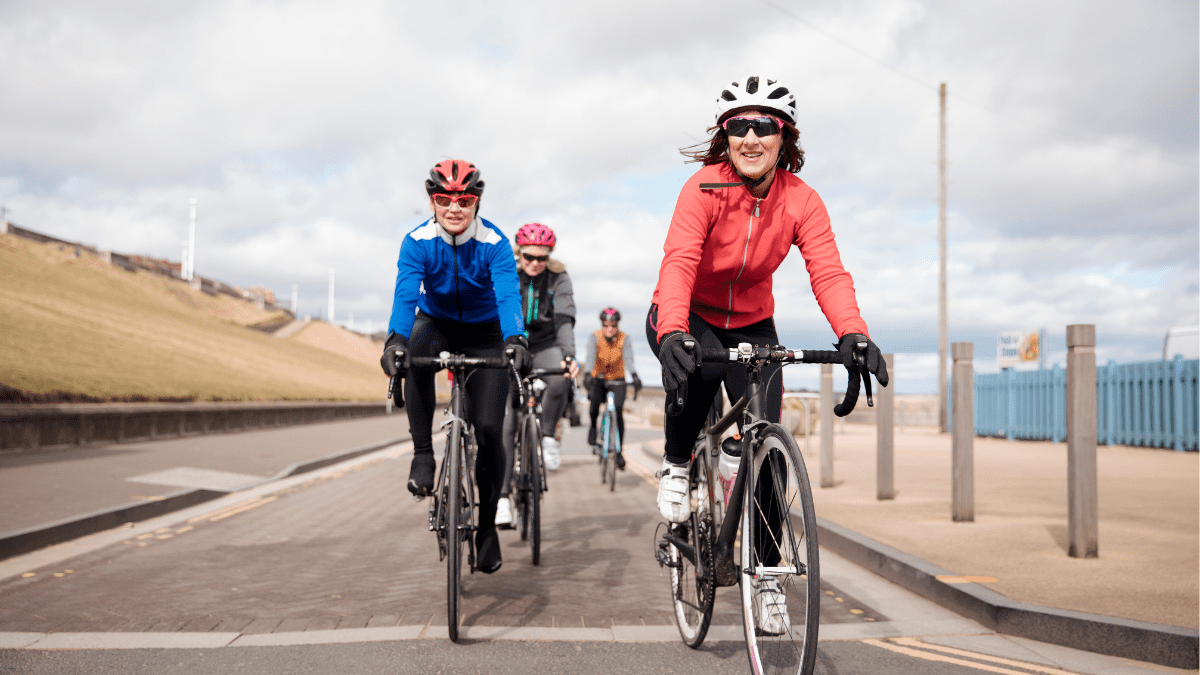
It’s tempting to stay inside when it’s cold and dark, but Josh explains that skipping outdoor sessions comes at a cost. Even brief outdoor workouts provide mental stimulation and skill practice that even the best smart bike trainers can’t fully replicate.
Josh also points out that for most people, being outside is enjoyable. “Humans are made to move,” he explains. “If you take that away completely, you’re not getting full mental or physical stimulation.”
When you ride outdoors, you’re constantly processing input, such as terrain, balance, shifting, and handling, which sharpens real-world adaptability. That stimulation disappears when you’re indoors.
Coach’s Tip:
Get outside at least once or twice a week. Short rides or runs help maintain coordination, handling confidence, and mental stimulation.
Training early or after sunset? See our Best Safety Gear for Running and Cycling in the Dark guide to stay visible.
Train With Purpose: Balance Easy and Hard Days
Structure keeps you motivated. Here’s how to build variety and purpose into your winter workouts.
Winter is an ideal time to build your aerobic base, correct imbalances that can impact your performance, and refine your training habits. You can experiment with structure and intensity to mix up your efforts. Having an off-season training plan is also key.
“Anyone working toward a goal should have a plan,” he explains. “Whether you build it yourself or work with a coach, make sure every session has a purpose.”
Mixing up your winter endurance training with various running and cycling workouts can also prevent burnout, says Josh. “Variety keeps you engaged and prevents the mental fatigue that comes from doing the same thing every day.”
To stay mentally and physically engaged, he suggests combining indoor, outdoor, and cross-training sessions. This can also address weak spots often ignored during race season.
Unsure where to start? Here’s a basic overview:
- Indoor sessions: Targeted intervals and pacing.
- Outdoor sessions: Short rides or runs to maintain skills and confidence.
- Cross-training: Hiking, lifting, or running for physical and mental variety.
Coach’s Tip:
Cross-training can also keep you social and motivated when the days are short. “Running or hiking with a friend keeps you accountable,” Josh notes.
Strength Training Matters More Than You Think

Want to build muscle and get stronger? Winter is a great time to lift heavier.
If you’re short on time, unilateral work with dumbbells or targeted kettlebell moves can help build muscle quickly and efficiently.
Simple tools like these resistance bands and trainer-approved resistance band exercises can also help you build serious strength at home.
Functional strength enhances performance, reduces injury risk, and improves efficiency. Just 15–20 minutes of weight-bearing exercise three times a week can build strength and bone density, which is crucial for cyclists.
“Cyclists can have poor bone density,” Josh says. “You need load-bearing work to build strong bones and prevent injury.”
He also emphasized that it’s OK to gain some weight as you build muscle. “Strength beats weight every time. If you gain a kilo but you’re stronger, that’s a win.”
Emphasizing strength work in the off-season also sets you up for faster progress when intensity ramps up in spring.
Micro Tip:
Check out our quick strength-building workouts for power-boosting sessions that fit even the busiest schedules.
Heart Rate vs. Power: Which Matters More in Winter?
Metrics matter, but knowing how to interpret them can make or break your progress.
With so many indoor tools available — power meters, structured apps, smart trainers — it’s tempting to focus solely on numbers. But Josh reminds athletes that your body’s response matters more than perfect metrics.
“Heart rate tells you more about how your body’s functioning,” he explains. “During a long zone 2 ride, your heart rate will drift up as you fatigue or get dehydrated. Instead of chasing power, adjust intensity to keep your heart rate steady. That’s how you get the aerobic benefit without extra stress.”
Heart rate becomes especially valuable during long base sessions, when fatigue or hydration can affect output.
You can think of it this way: Power tells you what you’re doing and heart rate reveals how your body’s responding.
If you’re not already using one, a chest strap heart rate monitor can help you choose a reliable option for long base rides and structured indoor workouts.
- Heart rate: Best for long, steady base sessions like Z2 rides. Monitor drift to gauge fatigue, hydration, and recovery.
- Power: Useful for structured intervals or high-intensity workouts. But don’t let numbers override feel.
- Perceived effort: Guides everything in between.
Micro Tip:
During endurance sessions, check your heart rate regularly. If the numbers drift significantly, pause, hydrate, or adjust resistance. Smart training now prevents overtraining later.
Recovery Starts Instantly
Josh’s first rule of winter recovery is surprisingly simple:
“Get out of your wet clothes right away. Being cold adds extra stress that your body has to recover from.”
He also reminds athletes that staying warm requires more calories. “If you’re cold, your body burns more just maintaining homeostasis.”
And if the cold weather has you feeling a little tight or stiff, try a vibrating foam roller to keep your muscles loose and ready.
The Winter Training Myths That Won’t Die
Josh’s top myth to bust? You probably already own the gear you need.
“You don’t need expensive winter gear. For example, a pair of old ski gloves is fine. Just use what keeps you warm and functional.”
He also calls out underdressing as a common error, especially for the knees:
“Cover your knees when it’s around 60°F or colder. There’s not much insulation on those delicate ligaments. Protect them and you’ll stay healthier longer.”
And for those worried about the cold damaging their lungs?
“Your body adapts. Unless it’s Arctic-like conditions, wind chill is more about comfort and preparedness than danger.”
Staying Motivated When It’s Cold and Dark

Short days, busy schedules, and poor weather can make skipping workouts tempting.
When motivation lags, Josh emphasizes leaning on community and variety. “I ride outside when I can and play soccer,” he says. “Exercising with friends keeps me going.”
Celebrating small wins also keeps him motivated. “Every rep, every set — I’ve done it, and no one can take that away.”
Coach’s Tip:
Don’t train through sickness. “Most of us aren’t getting paid to race,” Josh reminds athletes. “If you’re sick, skip it. You don’t want to prolong your recovery. Rest up and move forward.”
5 Quick Tips to Train Smarter This Winter
✅ Get outside at least once a week for skill and mental balance.
✅ Mix in strength training — it’s performance and injury insurance.
✅ Use heart rate to guide long rides and recovery.
✅ Eat enough to stay warm and fueled. Want to build strength? Add some protein to your diet.
✅ Keep your gear simple but effective.
Meet the Contributor
Josh Friedman is a USA Cycling Level 1 Coach and founder of ATP Race Consulting. With decades of experience helping cyclists and endurance athletes train smarter and race stronger, Josh blends science-based programming with real-world insight to help athletes balance fitness, recovery, and mindset.
💬 Have a question or want to connect with Josh?
✉️ atpraceconsulting@gmail.com
About the Train Smarter Series
Our Train Smarter Series brings together expert coaches, dietitians, and trainers to share practical, science-backed strategies for building strength and recovering better, especially during the winter endurance training months.
It’s part of our broader approach to training, nutrition, and gear with a focus on long-term value, not hype.
Stay Connected
Subscribe to the Fit Lifestyle Reviews newsletter for expert-backed training, nutrition, and gear insights — straight to your inbox.
When possible, we test every item we recommend and validate it with real training experience so you get honest, practical advice.